Quick Answer: Fence cleaning in Auckland requires different methods based on material – soft washing for timber fences to prevent damage, and pressure washing for durable materials like colorbond and vinyl. Professional cleaning every 3-12 months removes mold, algae, and dirt while extending fence life.
What’s in This Guide
- Fence Cleaning Methods by Material
- Soft Wash vs Pressure Wash for Fences
- Cleaning Schedule for Auckland Climate
- Common Fence Problems and Solutions
- DIY vs Professional Fence Cleaning
- Why Choose Suds Wash Co
- FAQs
Fence Cleaning Methods by Material
Different fence materials require specific cleaning approaches to avoid damage while achieving thorough results. Auckland’s humid climate means fences need regular cleaning to prevent permanent staining and deterioration.
Timber Fence Cleaning
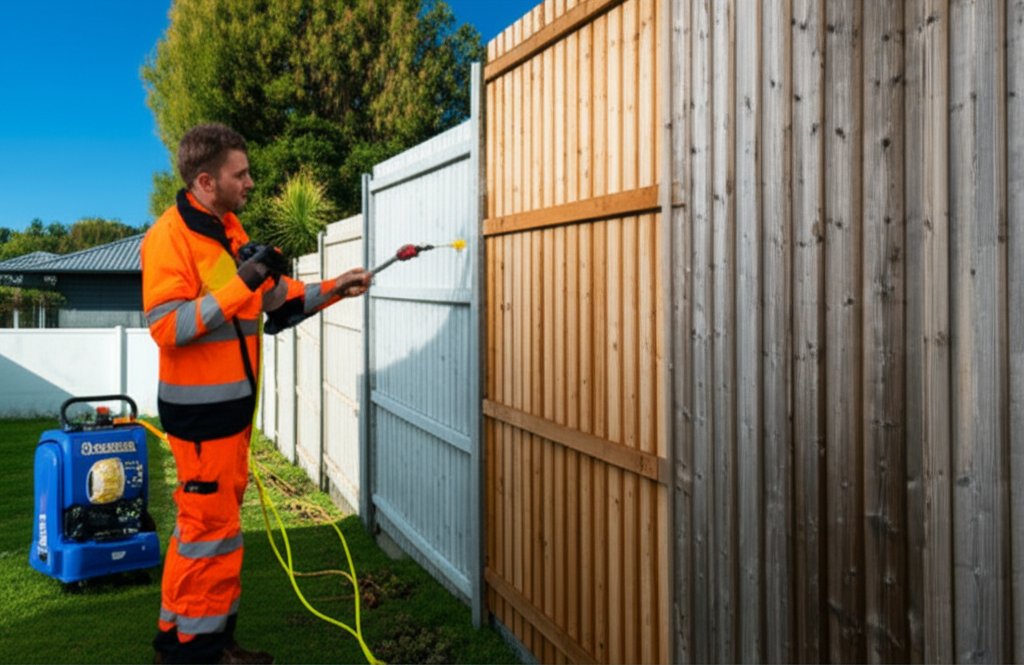
Timber fences need gentle treatment to preserve the wood grain and prevent splintering. Soft washing uses low-pressure water combined with specialized cleaning solutions to remove contaminants without damaging wood fibers. The cleaning solution breaks down mold, mildew, and algae chemically before gentle rinsing.
For routine maintenance between professional cleans, use a soft-bristled brush with mild soapy water, scrubbing along the grain. Avoid high-pressure settings that can gouge the wood or force water deep into the timber, causing swelling and cracking.
Colorbond and Metal Fence Cleaning
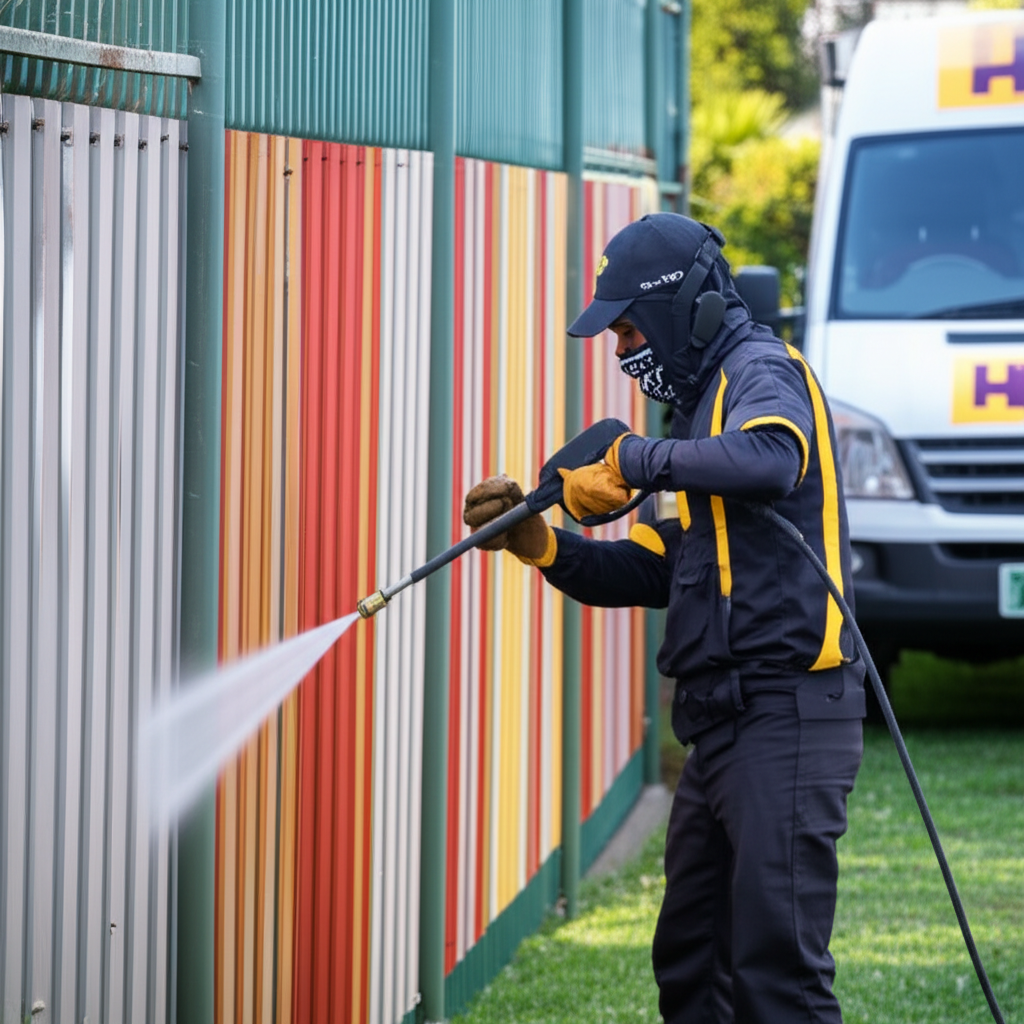
Metal fences like colorbond can handle more aggressive cleaning methods. Pressure washing effectively removes dirt, oxidation, and environmental buildup from these durable surfaces. The high-pressure water blasts away contaminants without risk of structural damage.
Pre-treat stubborn stains or heavy oxidation with appropriate cleaning solutions before pressure washing. Work systematically from top to bottom, maintaining consistent distance to ensure even cleaning without streaking.
Vinyl Fence Cleaning
Vinyl fences offer durability but require proper technique to avoid scratching. Start with a thorough pre-rinse to remove loose debris, then apply diluted soap solution with a soft-bristled brush. Light pressure removes most stains without damaging the surface.
Complete rinsing is critical for vinyl – leftover soap residue attracts dirt and promotes faster re-soiling. Rinse from top to bottom until water runs clear, paying special attention to crevices where soap can collect.
Soft Wash vs Pressure Wash for Fences
Choosing between soft washing and pressure washing depends on your fence material and condition. Understanding each method helps prevent damage while achieving professional results.
| Method | Best For | Pressure Level | Cleaning Action |
|---|---|---|---|
| Soft Washing | Timber, painted surfaces | Under 500 PSI | Chemical breakdown + gentle rinse |
| Pressure Washing | Metal, vinyl, brick | 1,500-3,000 PSI | High-pressure water blast |
Soft Washing Benefits
Soft washing combines low-pressure application with specialized biodegradable cleaning solutions. The chemicals do most of the work, breaking down organic growth at the root level. This method prevents damage to delicate surfaces while providing longer-lasting results by killing spores and preventing rapid regrowth.

When to Use Pressure Washing
Pressure washing works best on robust materials that can withstand high-pressure water without damage. Metal fences, vinyl, and masonry block walls handle pressure washing well. The forceful water removes stubborn stains, oxidation, and heavy buildup that soft washing might not eliminate.
Professional operators adjust pressure settings based on material and contamination level. They also maintain proper spray angles and distances to prevent damage while ensuring thorough cleaning.
Cleaning Schedule for Auckland Climate
Auckland’s coastal climate creates ideal conditions for mold, mildew, and algae growth on fences. Salt air, high humidity, and frequent rain accelerate fence deterioration without regular maintenance.
Recommended Cleaning Frequency
Timber fences require deep cleaning at least once annually to prevent permanent staining and wood degradation. Properties near the coast or surrounded by vegetation may need cleaning every 6-8 months due to increased moisture and organic debris.
Vinyl fences benefit from thorough cleaning every 3-4 months. Their smooth surface shows dirt more readily but cleans easily with regular maintenance. More frequent cleaning than every 2 months is generally unnecessary unless specific staining occurs.
Metal fences like colorbond typically need cleaning every 6-12 months, depending on environmental exposure. Coastal properties experience faster oxidation and salt buildup, requiring more frequent attention.
Seasonal Considerations
Schedule fence cleaning during cooler months when possible. Hot, windy conditions cause cleaning solutions to dry too quickly, reducing effectiveness and potentially leaving residue marks. Early morning or overcast days provide ideal cleaning conditions.
Winter cleaning removes accumulated autumn debris and prevents mold growth during wet months. Spring cleaning prepares fences for summer entertaining and removes winter’s growth buildup.
Common Fence Problems and Solutions
Auckland fences face several common issues that professional cleaning addresses effectively. Early treatment prevents permanent damage and extends fence life significantly.
Mold, Mildew, and Algae Growth
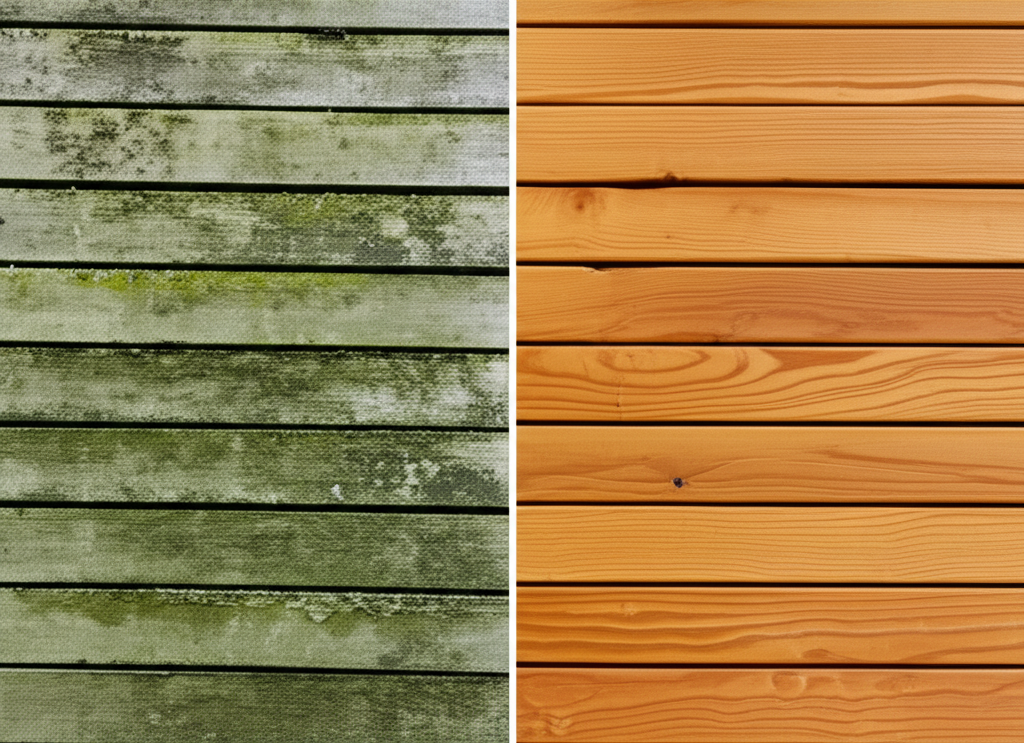
Green or black growth on fences indicates mold, mildew, or algae presence. These organisms thrive in Auckland’s humid conditions, making surfaces slippery and accelerating material degradation. Professional soft washing with antimicrobial solutions kills growth at the source and inhibits regrowth.
For severe infestations, technicians may apply specialized treatments that continue working after the initial clean. These solutions gradually break down dead organisms while preventing new colonization for extended periods.
Oxidation and Weathering
Metal fences develop chalky oxidation over time, especially in coastal areas. This protective layer becomes unsightly and can transfer onto clothing or hands. Professional cleaning removes oxidation buildup while preserving the fence’s protective coating.
Timber fences gray naturally through UV exposure and weathering. While some homeowners appreciate this aged appearance, others prefer maintaining the wood’s original color. Professional cleaning removes surface graying and can include treatments to slow future weathering.
Staining and Discoloration
Rust stains from metal fixtures, tannin bleeding from timber, and environmental pollutants create stubborn fence stains. Professional cleaners use targeted treatments for specific stain types, avoiding harsh chemicals that might damage fence materials or surrounding plants.
Water staining from sprinklers or poor drainage requires both cleaning and addressing the water source. Professionals identify these issues during cleaning and recommend solutions to prevent recurring problems.
DIY vs Professional Fence Cleaning
While basic fence maintenance suits DIY approaches, professional cleaning delivers superior results with less risk of damage. Understanding when to hire professionals saves time and protects your investment.
DIY Fence Cleaning Limitations
Household pressure washers often lack power for thorough cleaning or adjustability for safe operation on different materials. Improper pressure or technique can splinter timber, strip paint, or etch surfaces permanently.
Consumer-grade cleaning products may not effectively kill mold and algae at the root level, leading to rapid regrowth. Without professional-strength biocides, DIY cleaning often provides only temporary cosmetic improvement.
Professional Advantages
Professional fence cleaners bring commercial-grade equipment with adjustable pressure settings for different materials. They understand proper techniques for each fence type and identify potential problems before they cause damage.
Eco-friendly commercial cleaning solutions provide powerful cleaning action without environmental harm. Professionals also carry insurance, protecting homeowners from liability if accidents occur during cleaning.
Why Choose Suds Wash Co for Fence Cleaning
Suds Wash Co brings extensive experience cleaning all fence types throughout Auckland. Our professional soft washing services use the latest equipment and eco-friendly solutions to restore fences without damage.
We customize our approach based on your fence material, condition, and specific concerns. Our trained technicians identify problem areas and provide honest recommendations for maintaining your fence between professional cleans.
With comprehensive insurance and satisfaction guarantees, we deliver peace of mind alongside sparkling clean fences. Our systematic approach ensures consistent results while protecting your property and landscaping throughout the cleaning process.
Frequently Asked Questions
How often should I clean my timber fence in Auckland?
Timber fences in Auckland need deep cleaning at least once yearly to prevent mold, algae, and permanent staining. Properties near the coast or with heavy tree coverage may require cleaning every 6-8 months due to increased moisture and organic debris exposure.
Will pressure washing damage my wooden fence?
High-pressure washing can damage timber by splintering wood fibers, forcing water deep into the grain, and creating an uneven surface. Professional soft washing uses low pressure (under 500 PSI) combined with specialized cleaning solutions for safe, effective timber fence cleaning.
What’s the best way to remove black mold from fence panels?
Black mold requires treatment with antimicrobial cleaning solutions that kill spores at the root level. Professional soft washing applies these solutions at low pressure, allowing time for chemical breakdown before gentle rinsing, ensuring complete mold removal and delayed regrowth.
Can I use household bleach to clean my fence?
While diluted bleach can kill some surface growth, it’s harsh on fence materials and surrounding plants. Professional fence cleaners use eco-friendly, biodegradable solutions specifically formulated for exterior surfaces, providing effective cleaning without environmental damage or material degradation.
How long does professional fence cleaning take?
Most residential fence cleaning takes 1-3 hours depending on fence length, material, and contamination level. This includes setup, pre-treatment of problem areas, thorough cleaning, and complete rinsing. Heavily soiled fences or those requiring special treatments may take longer.
Do I need to be home during fence cleaning?
You don’t need to be present during fence cleaning if we can access all fence areas and you’ve secured pets indoors. We’ll discuss any specific concerns beforehand and provide before/after photos showing completed work. Clear communication ensures smooth service whether you’re home or away.