Quick Answer
Lichen on your roof is a slow-growing but destructive organism that bonds directly to tile surfaces, causing micro-cracking and long-term damage. Unlike moss, lichen cannot simply be water blasted off. It requires a chemical treatment to kill it first, followed by gentle removal. Auckland’s warm, humid climate makes lichen a common problem on concrete tile and long-run roofing across the region.
What’s in This Guide
- What Is Lichen and Why Does It Grow on Roofs?
- Lichen vs Moss: What’s the Difference?
- How Lichen Damages Your Auckland Roof
- How to Remove Lichen From Your Roof
- Preventing Lichen Growth
- Why Choose Suds Wash Co
- FAQs
What Is Lichen and Why Does It Grow on Auckland Roofs?
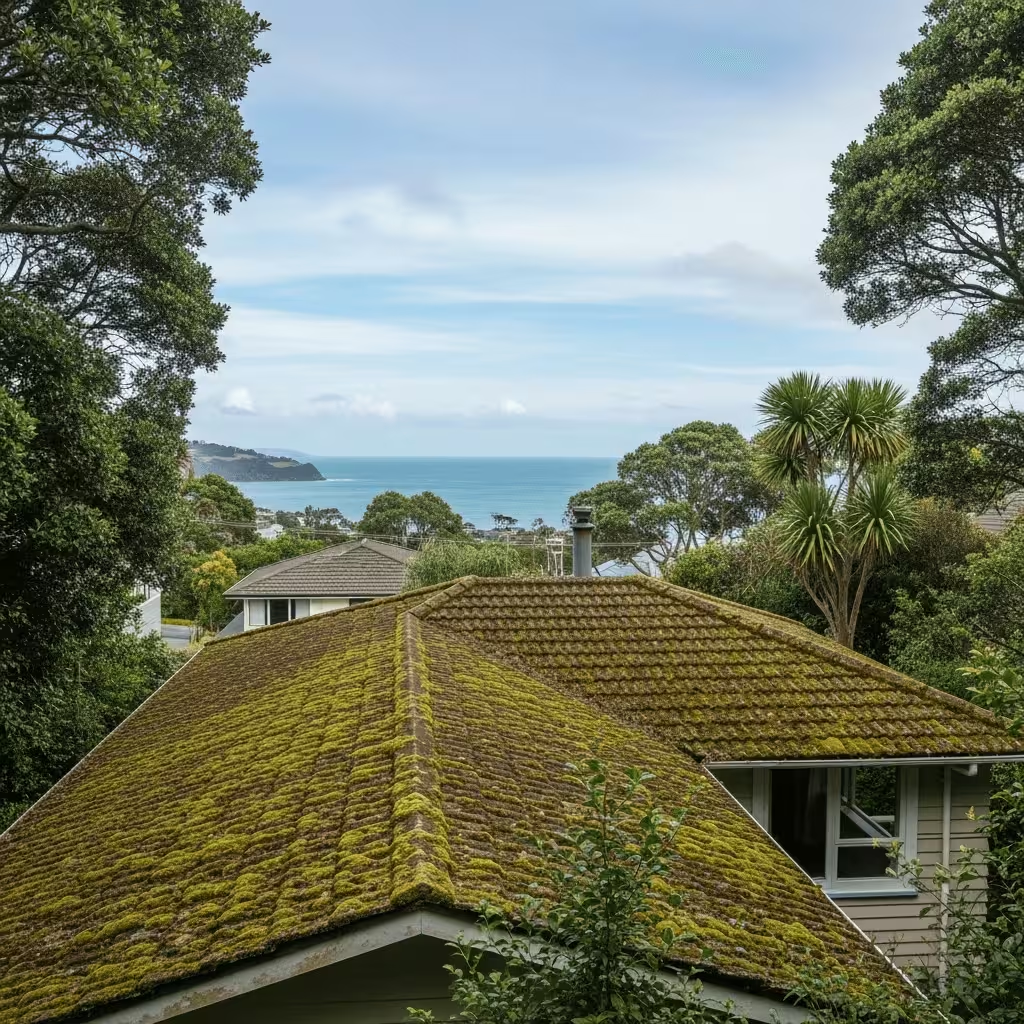
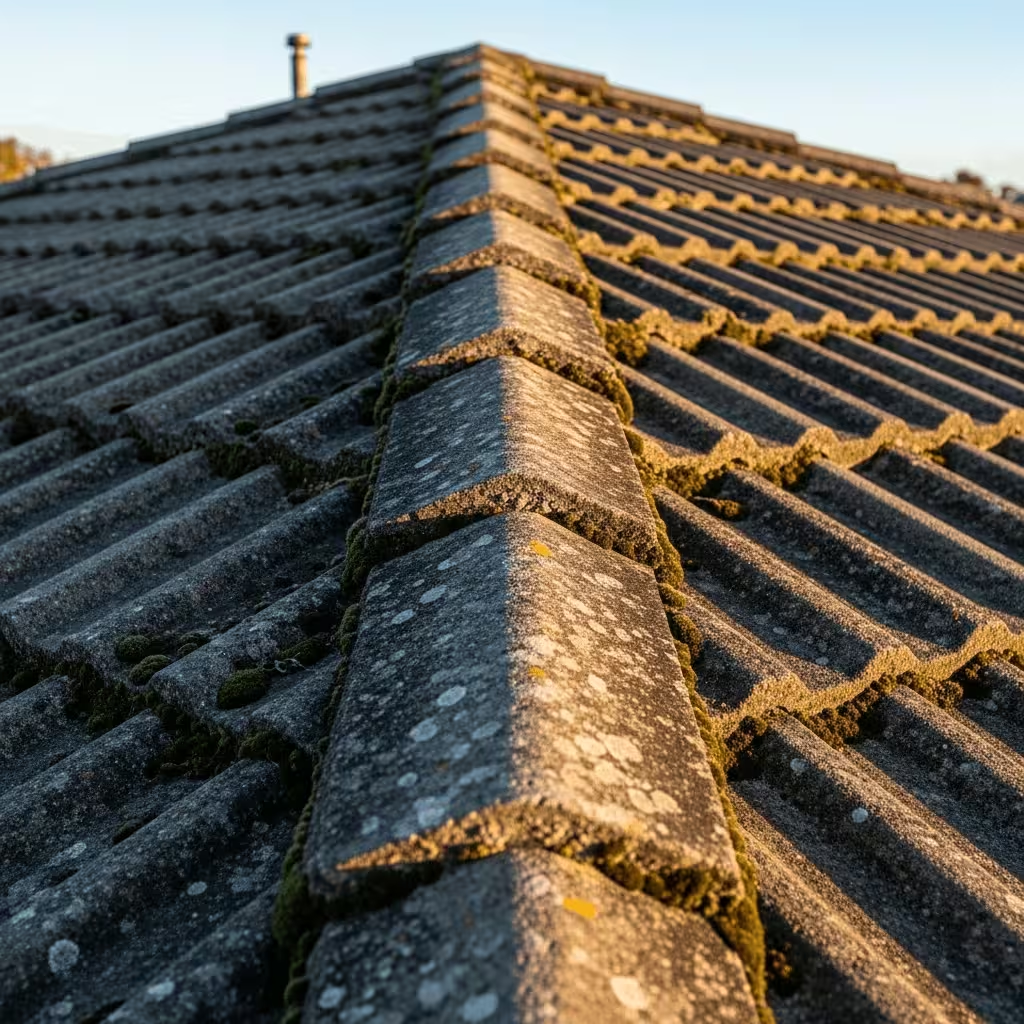
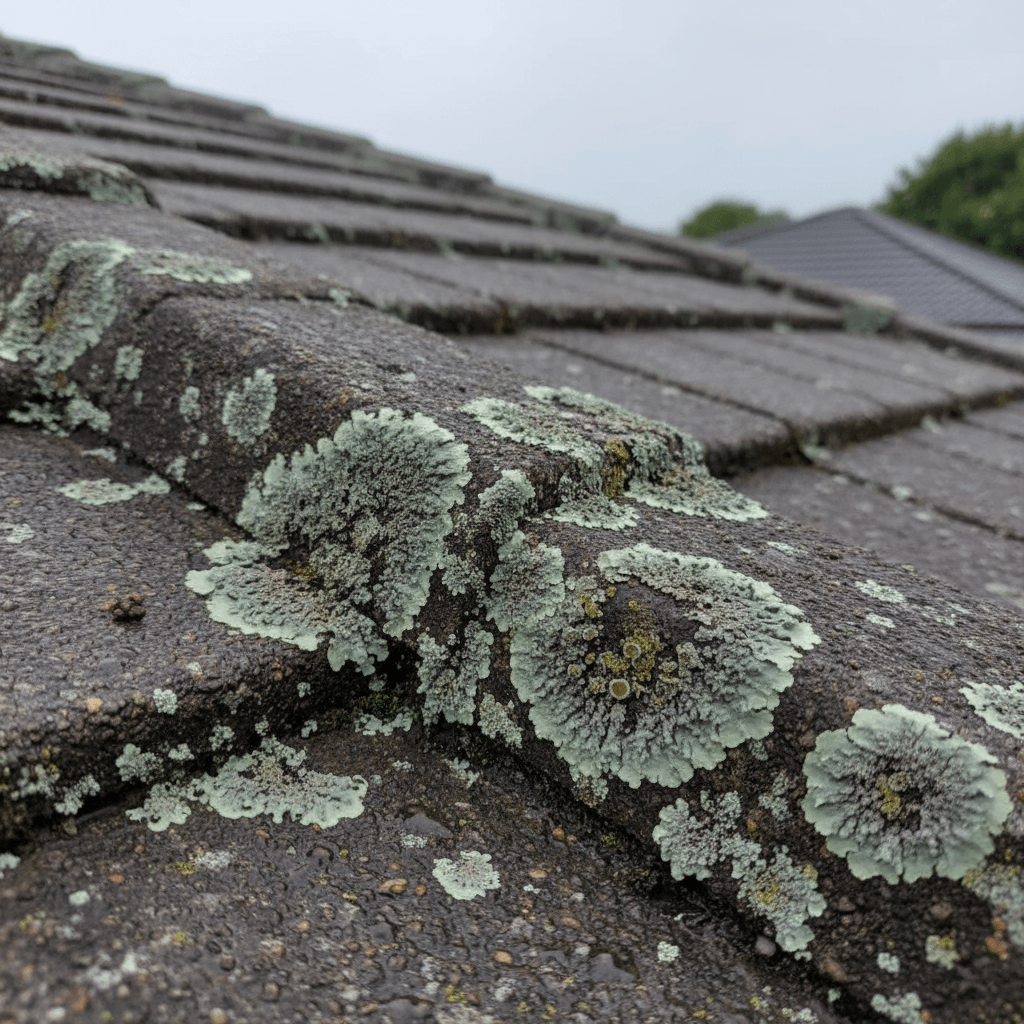
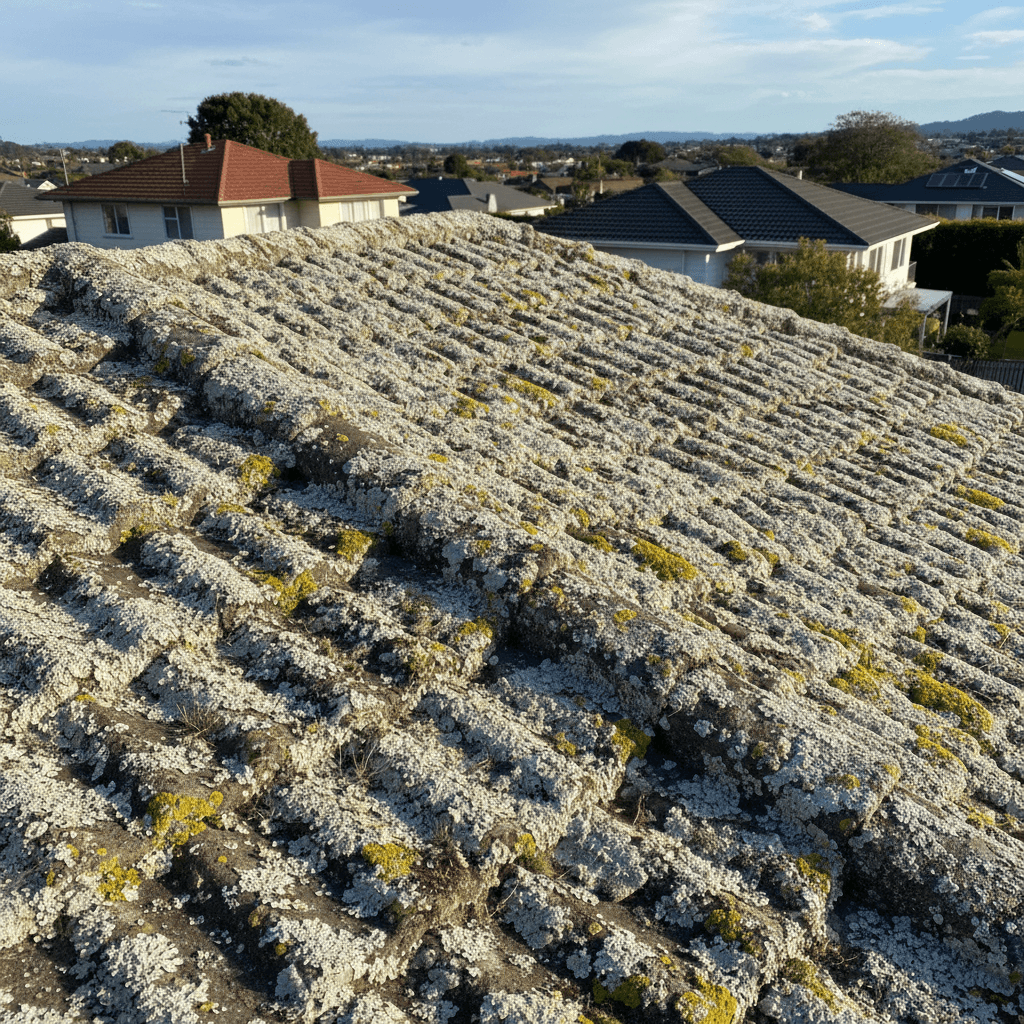
If you have noticed crusty, circular patches of grey, green, or yellowish growth clinging to your roof tiles, you are likely dealing with lichen. Lichen on a roof is one of the most misunderstood growths Auckland homeowners encounter, and it is far more stubborn than it looks.
Lichen is not a single organism. It is a symbiotic partnership between a fungus and an alga (or sometimes cyanobacteria). The fungus provides the physical structure, while the alga photosynthesises to produce energy. This dual nature is what makes lichen so resilient. It does not need soil, and it thrives on hard surfaces like concrete tiles, long-run steel roofing, and even painted surfaces.
Auckland’s climate is practically ideal for lichen growth. The combination of warm temperatures, high humidity, regular rainfall, and mild winters creates conditions where lichen can establish itself year-round. South-facing roof surfaces, shaded areas under overhanging trees, and older roofing materials are particularly vulnerable.
You will commonly find lichen on roofs across Auckland suburbs from the North Shore through to South Auckland, and it is especially prevalent on homes more than 10 to 15 years old where the protective coating on tiles has started to wear down.
Lichen vs Moss: What’s the Difference?
Many Auckland homeowners assume that all the green or grey growth on their roof is “moss.” But lichen and moss are fundamentally different organisms that require different removal approaches. Getting this distinction right is critical because the wrong treatment method will waste your time and money.
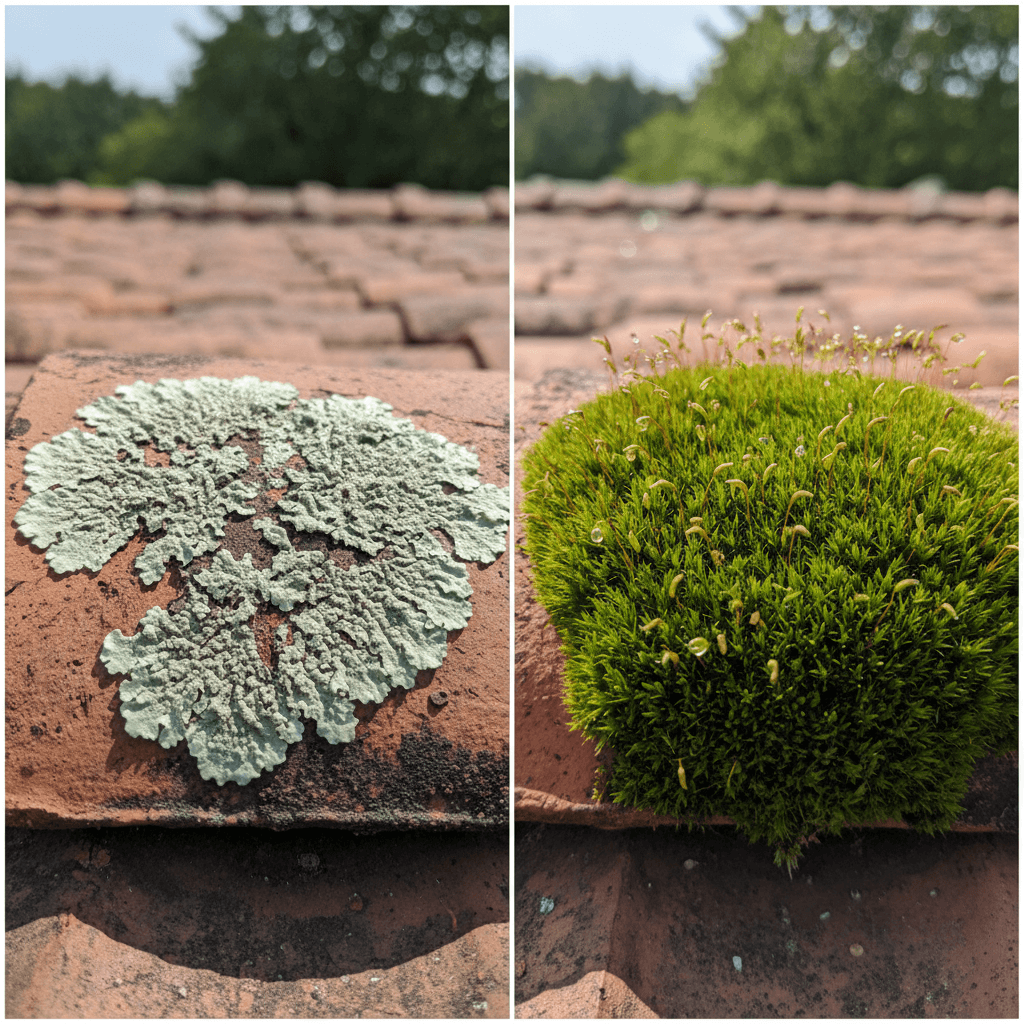
Moss is a plant. It has roots, stems, and tiny leaves. It grows in thick, green, fuzzy clumps that sit on top of your roof surface. Moss retains moisture and can be physically removed with brushing, scraping, or water blasting because its roots (rhizoids) only grip the surface lightly.
Lichen is not a plant at all. It is a composite organism (fungus + algae) that grows as flat, crusty, or slightly leafy patches directly bonded to the tile surface. Lichen penetrates into the pores of your roofing material with root-like structures called rhizines, making it almost impossible to remove with water blasting alone. You need chemical treatment to kill lichen before any physical removal can be effective.
| Feature | Lichen | Moss |
|---|---|---|
| Type of organism | Fungus-algae symbiont | Plant (bryophyte) |
| Appearance | Flat, crusty, circular patches (grey, green, yellow, white) | Thick, fuzzy, green clumps |
| Growth rate | Very slow (millimetres per year) | Fast (centimetres per month in damp conditions) |
| Surface attachment | Bonds into pores with rhizines | Sits on top with shallow rhizoids |
| Removal method | Chemical treatment required first | Water blasting or scraping effective |
| Moisture needs | Can survive dry periods (goes dormant) | Needs consistent moisture to survive |
| Damage type | Penetrates and cracks surface | Traps moisture on surface |
If you are dealing with moss on your Auckland roof, you may find our guide to roof moss treatment in Auckland helpful. But if you see flat, crusty patches that seem painted onto the tile surface, that is lichen, and it needs a different approach entirely.
How Lichen Damages Your Auckland Roof
Lichen may grow slowly, but over months and years the damage adds up. Here is how lichen on a roof causes real structural problems:
Surface Penetration and Micro-Cracking
Lichen attaches to roofing materials through rhizines, tiny root-like filaments that grow into the pores and micro-cracks of concrete tiles. As the lichen expands and contracts with temperature and moisture changes, it widens these cracks. Over time, this weakens the tile surface and accelerates weathering.
Moisture Retention
Lichen holds moisture against the tile surface for extended periods. In Auckland’s climate, where rain is frequent, this constant dampness softens concrete tiles and can promote further biological growth underneath the lichen layer.
Aesthetic Damage
Lichen leaves permanent staining on roofing surfaces. Even after removal, you may notice discolouration or etching where large lichen colonies were established. The earlier you treat lichen, the less visible damage it causes.
Reduced Roof Lifespan
Left untreated for years, lichen accelerates the deterioration of roofing materials. Concrete tiles become porous, steel roofing loses its protective coating faster, and the overall lifespan of your roof is shortened. Some roofing manufacturers specify that biological growth must be managed to maintain warranty coverage.
Drainage Issues
Thick lichen colonies, particularly where combined with moss and debris, can obstruct water flow across the roof surface and into gutters. This can lead to pooling, overflow, and water ingress around fascia and soffit areas.
How to Remove Lichen From Your Roof
Removing lichen from your roof is not a one-step job. The most common mistake homeowners make is reaching straight for the water blaster. Aggressive pressure washing without chemical pre-treatment will strip away some lichen on the surface but leave the rhizines embedded in the tile. The lichen simply grows back within weeks.
Here is the correct approach to roof lichen removal:
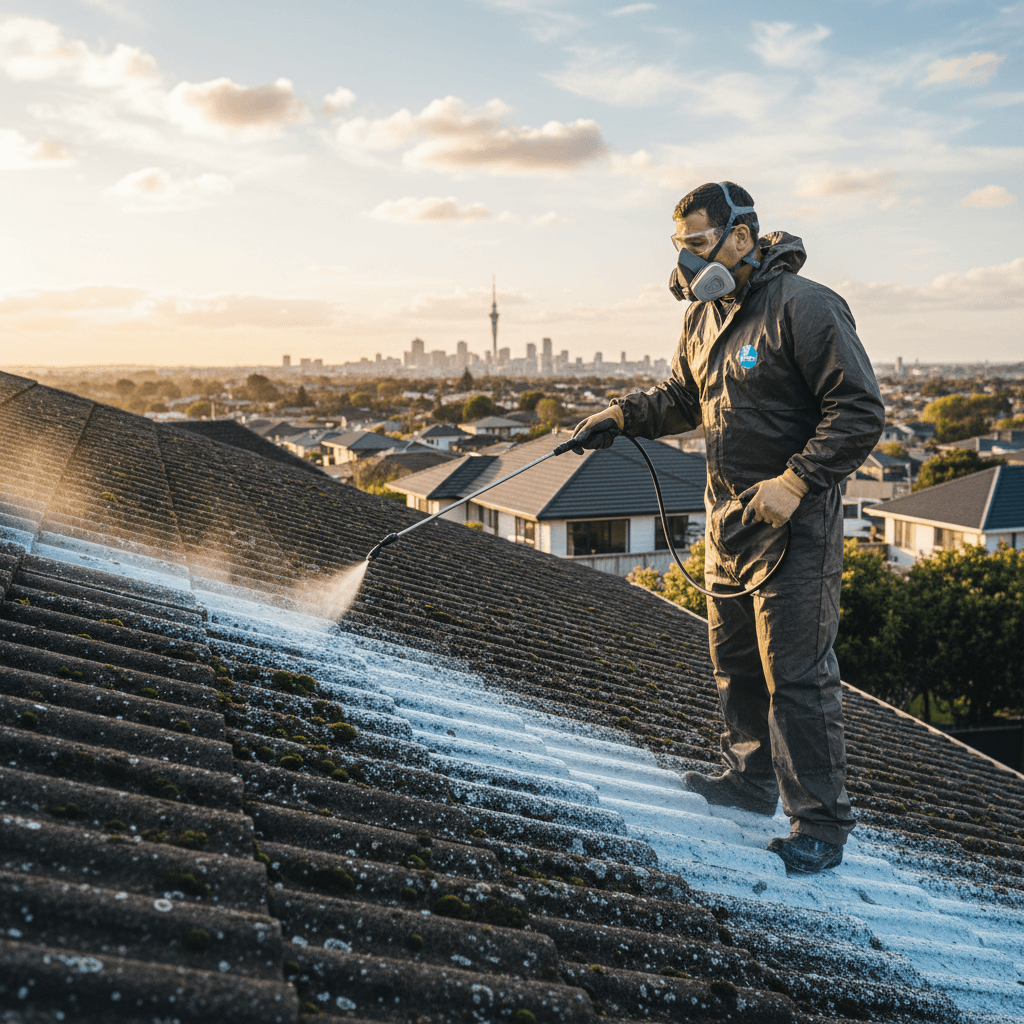
Step 1: Apply a Chemical Lichen Treatment
A sodium hypochlorite-based solution or a specialist lichen treatment for roof surfaces is applied across the affected areas. These products kill the lichen organism at its core, including the embedded rhizines. Commercial-grade treatments are significantly more effective than household bleach solutions.
Step 2: Allow a Die-Off Period
After application, the lichen needs time to die. Depending on the product and the severity of the growth, this can take anywhere from a few days to several weeks. You will notice the lichen changing colour (turning white or brown) as it dies off.
Step 3: Gentle Removal
Once the lichen is dead, it can be removed with a low-pressure wash, soft scraping, or gentle brushing. The key is to avoid high-pressure water blasting at close range, which can damage the tile surface, strip protective coatings, and force water under laps on long-run roofing.
Step 4: Rinse and Inspect
A thorough rinse removes any remaining chemical residue and dead biological matter. This is also the time to inspect for tiles that may need repair or replacement due to long-term lichen damage.
Step 5: Apply a Protective Treatment (Optional but Recommended)
Applying a roof treatment or sealer after cleaning helps prevent lichen re-establishing itself. This is especially worthwhile on older roofs where the original tile coating has worn thin.
Preventing Lichen From Coming Back
Once your roof is clean, you want to keep it that way. Lichen prevention comes down to making your roof surface less hospitable and reducing the conditions that promote growth.
Install Zinc or Copper Strips
Fitting zinc or copper strips along the ridge line of your roof is one of the most effective long-term prevention methods. When it rains, trace amounts of metal ions wash down the roof surface, creating an environment that inhibits lichen, moss, and algae growth. This is a one-time installation that provides years of passive protection.
Trim Overhanging Trees and Vegetation
Shade and moisture are the two biggest factors in lichen growth. Trimming back any trees or branches that overhang your roof increases sunlight exposure and airflow, both of which help keep the roof dry and discourage biological growth.
Maintain Good Roof Drainage
Keep gutters clear of debris and ensure downpipes are functioning properly. Standing water and poor drainage create damp zones where lichen thrives. Regular gutter cleaning is a simple step that makes a big difference.
Schedule Regular Roof Maintenance
An annual or biannual roof inspection and treatment keeps lichen from gaining a foothold. Catching new growth early means a simple chemical spray is all that is needed, rather than a full removal job.
Apply a Roof Treatment or Sealer
Roof sealers and protective coatings fill the pores of concrete tiles, making it harder for lichen rhizines to anchor. These treatments also make future cleaning easier because biological growth cannot bond as firmly to the sealed surface.
Why Choose Suds Wash Co for Lichen Removal in Auckland
Lichen removal is not a DIY-friendly job. Working at height, handling chemical treatments safely, and knowing the right approach for different roofing materials all require professional experience. That is where we come in.
At Suds Wash Co, our Auckland roof cleaning services are built around doing the job properly the first time. We use commercial-grade lichen treatments that kill growth at the root, followed by safe low-pressure washing that protects your tiles. No shortcuts, no damage, no lichen growing back a month later.
Here is what sets us apart:
- Experienced team: We have cleaned hundreds of Auckland roofs and know exactly how to handle lichen on concrete tiles, long-run steel, and coated surfaces.
- Proper chemical treatments: We use professional-grade products that penetrate and kill lichen completely, not just bleach the surface.
- Safe for all roof types: Our low-pressure methods protect your roofing material while delivering a thorough clean.
- Free inspections and quotes: We assess your roof, identify the type and extent of growth, and give you an honest price before we start.
- Auckland-wide coverage: From the North Shore to Manukau, Waitakere to East Auckland, we cover the whole region.
Lichen on Your Roof? We Can Help
Get a free inspection and quote from Auckland’s roof cleaning experts.
Frequently Asked Questions
Is lichen harmful to roof tiles?
Yes. Lichen bonds into the surface of roofing materials through tiny root-like structures called rhizines. Over time, this causes micro-cracking, surface erosion, and moisture retention that shortens the lifespan of your roof. The longer lichen is left untreated, the more damage it causes.
Can you pressure wash lichen off a roof?
Pressure washing alone is not effective against lichen. Unlike moss, which sits on top of the surface, lichen is chemically bonded into the tile. High-pressure water may remove some surface growth but leaves the rhizines embedded, so the lichen grows back quickly. A chemical treatment must be applied first to kill the organism before any physical removal.
How long does lichen treatment take to work?
After a professional chemical treatment is applied, lichen typically takes 1 to 4 weeks to fully die off. You will see it change colour from green or grey to white or brown during this period. Once dead, it can be gently washed or brushed away.
How much does lichen removal cost in Auckland?
The cost of professional lichen removal in Auckland depends on the size of your roof, the severity of the growth, and the roofing material. Most single-storey homes fall in the range of $500 to $1,500 for a full chemical treatment and wash. We provide free quotes so you know the exact cost before we start.
Does lichen come back after treatment?
Lichen can return over time, especially in shaded or damp areas. However, proper removal combined with preventive measures like zinc strips, tree trimming, and regular maintenance can keep your roof lichen-free for years. Applying a protective roof sealer also significantly slows regrowth.
What is the difference between lichen and mould on a roof?
Mould appears as dark black or grey staining and is a single-type fungal growth. Lichen is a composite organism (fungus + algae) that forms visible crusty, leafy, or powdery patches on the surface. Both need treatment, but lichen is more physically damaging because it bonds into the tile material.