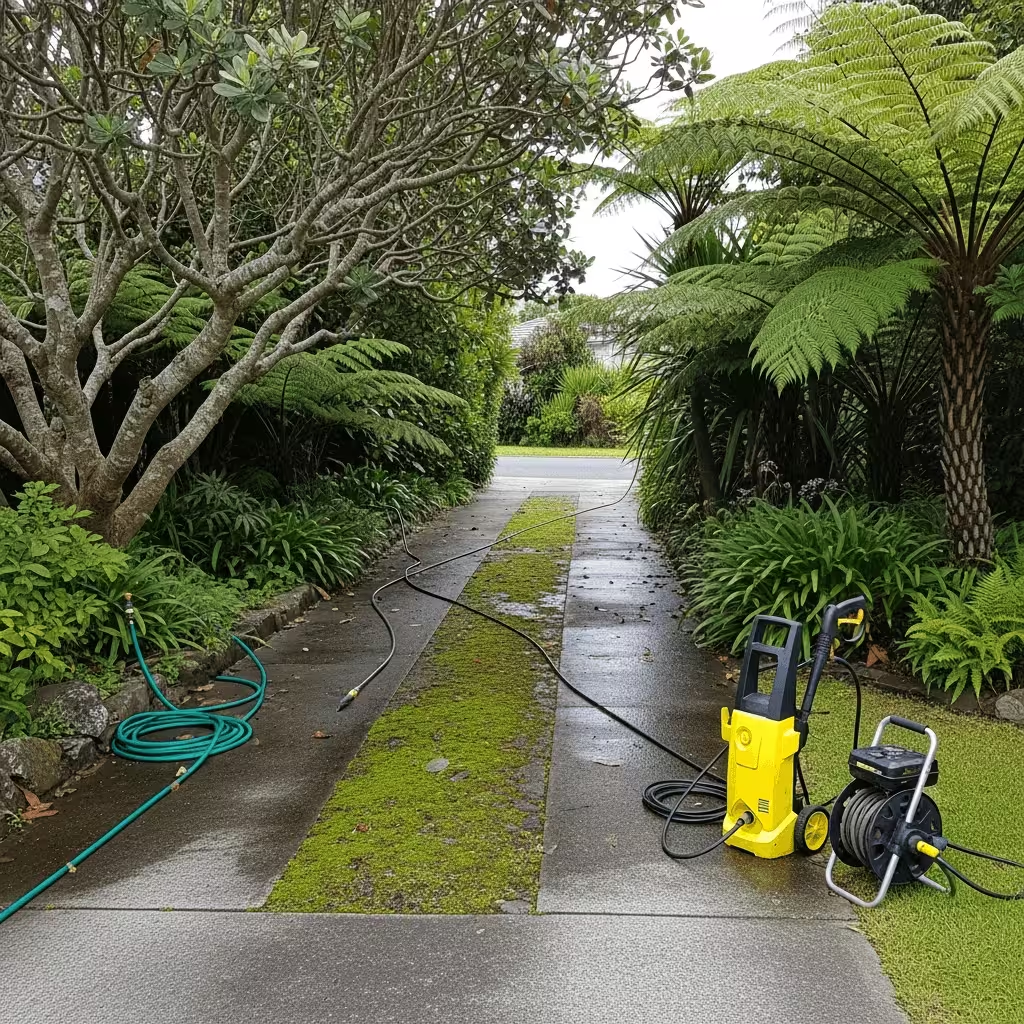
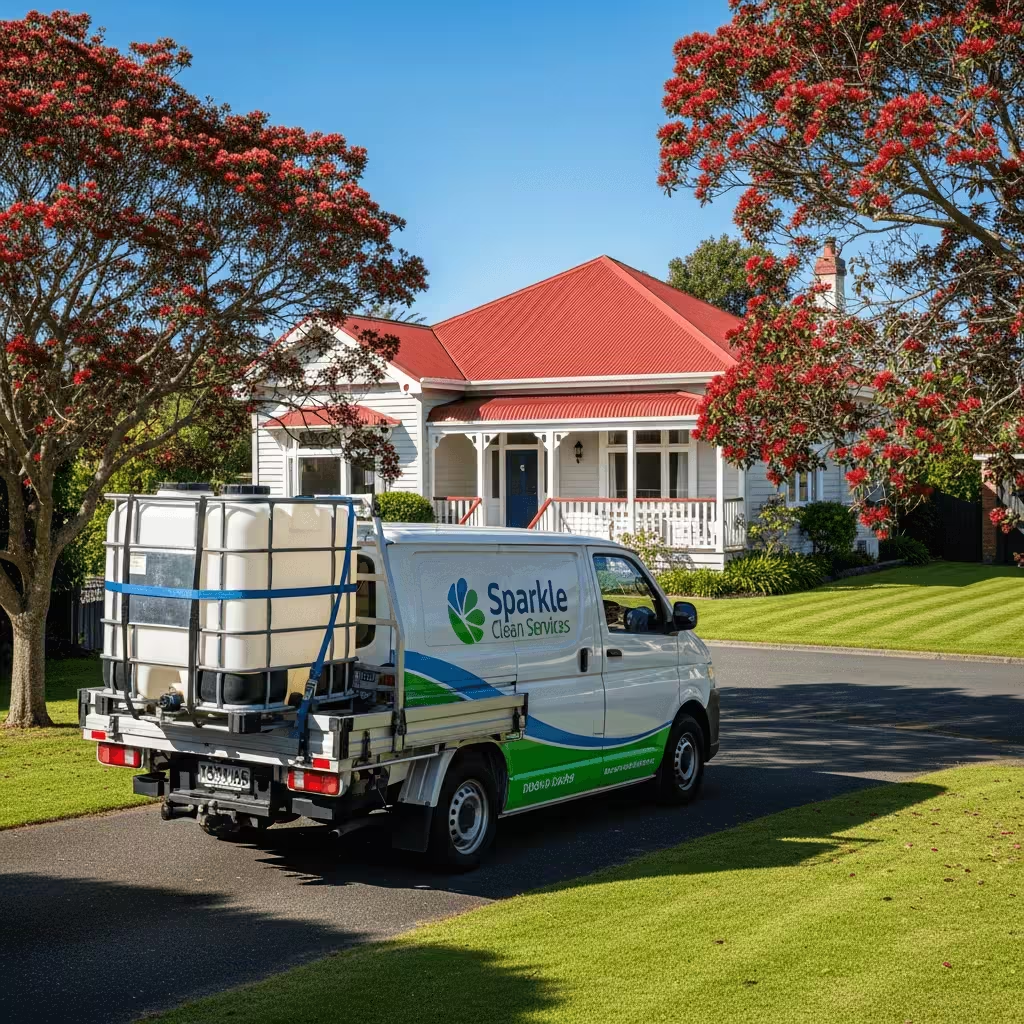
Yes, most exterior cleaning companies use the property’s water supply. For residential and rural properties, this typically means a garden tap or on-site water tank, as pressure and soft washing require a consistent water source. Professional cleaners will ask permission first, check tank levels where applicable, and use water-efficient methods to minimise usage.
- Introduction
- Benefits and Drawbacks of Using Homeowner’s Water
- Alternatives to Homeowner’s Water Supply
- Why Choose Suds Wash Co for Your Exterior Cleaning Needs
- Frequently Asked Questions
- Do exterior cleaning companies use your water?
- Why do cleaning companies prefer using homeowners’ water?
- Are there environmental impacts of using homeowner’s water?
- What are the options for rural homeowners with tank water?
- Is there a water volume limit these companies typically use?
- How do companies manage water use during restrictions?
- Can homeowners refuse to use their water?
- Do companies need access to garden hoses?
In the bustling metropolis of Auckland, exterior cleaning companies like Suds Wash Co have increasingly taken centre stage, offering myriad services to keep properties immaculate. A frequently pondered question is: do these exterior cleaning companies use your water? The simple answer is yes. The use of the homeowner’s water supply is not only practical but has become an industry standard for companies conducting thorough exterior property cleanings, such as water blasting and pressure washing.
Water Usage in Exterior Cleaning
The reliance on the homeowner’s water supply is primarily due to the substantial amount of water these cleaning processes necessitate. Methods such as water blasting and pressure washing require a significant volume to effectively remove dirt, debris, and biological growths from exterior surfaces. Without tapping into residential water supplies, these operations would face logistical challenges and increased operational costs. Such reliance is evident among Auckland-based companies, including Total Cleaning NZ and Quality Cleaning, which utilise these techniques widely.
Environmental Considerations
Environmental responsibility is a vital consideration for many exterior cleaning services. With water conservation efforts gaining momentum amid variable local water restrictions, companies are increasingly exploring sustainable practices. Nevertheless, despite these efforts, there has been no substantial shift towards self-supplied water facilities due to the prohibitive costs and logistical complexities involved. This has driven innovation in usage techniques like the pure water systems employed by some firms, though such systems likely still depend on client water supplies.
Rural Water Sources
For homeowners in rural areas around Auckland, where water access might involve tank supplies rather than municipal connections, the question of water usage becomes more pertinent. While urban companies typically rely on connection to municipal supplies, rural services can adapt to utilise tank water when necessary. This makes collaborations with professional cleaning companies feasible without exhausting water resources reserved for essential household use.
Benefits and Drawbacks of Using Homeowner’s Water
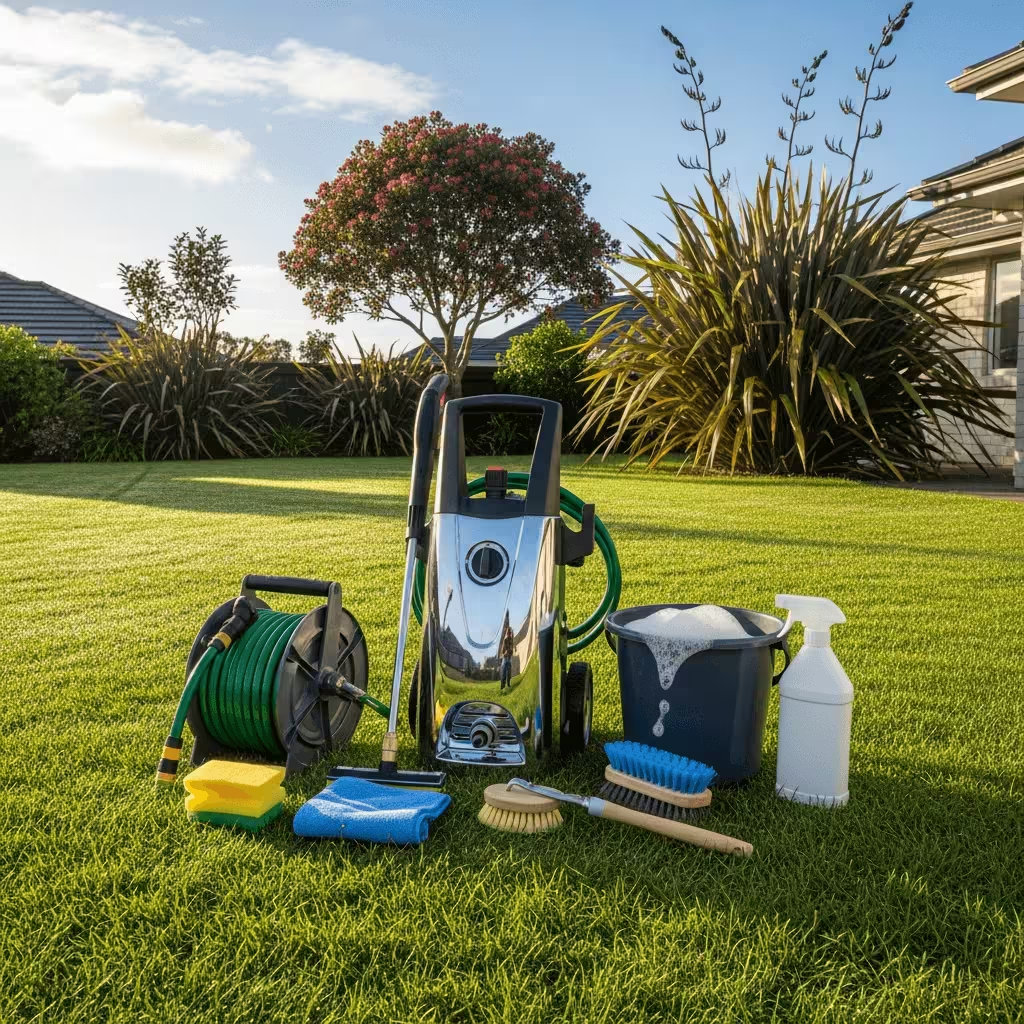
Engaging an exterior cleaning service often brings up the question: should they use the homeowner’s water supply or bring their own? The decision can significantly impact the overall experience, both positively and negatively. Understanding these implications provides homeowners with insights into selecting the best choice for their needs and environment.
Advantages of Using Homeowner’s Water Supply
One of the primary advantages of allowing exterior cleaning companies to use your water is cost-effectiveness. Most contractors might offer a discounted rate if they can utilise the homeowner’s supply because it reduces their operational costs. This can be particularly beneficial in areas like Auckland where water is readily available. Additionally, logistical convenience plays a key role. By using your supply, the cleaning team can avoid the hassle of transporting their water tanks, ensuring the process is smoother and potentially faster.
From an environmental perspective, utilising an existing water source can be more sustainable. It can reduce the carbon footprint associated with transporting large volumes of water, which is crucial in tackling climate change concerns. This is particularly relevant in urban areas where reducing emissions is a priority. For those in rural areas with access to large tanks or reservoirs, this approach utilises existing resources, thus conserving additional energy.
Drawbacks of Using Homeowner’s Water Supply
Conversely, there are certain drawbacks to consider. Using the homeowner’s water supply could lead to unexpected increases in utility bills, which can be substantial, especially if the cleaning job consumes a large volume of water. This is a notable point for properties in water-restricted zones where conservation strategies are necessary, potentially making the advantage less clear.
Another important consideration is water quality. The presence of hard minerals or contaminants in some local water supplies might adversely affect cleaning results. Exterior cleaning requires high pressure and equipment that could degrade faster when poor quality water is used, leading to inefficiencies and potential damage to property surfaces. Moreover, rural areas in Auckland, using water from tanks might face issues depending on the water’s source and potential for sediment buildup, posing challenges for equipment longevity and cleaning effectiveness.
Overall, this decision rests on weighing the specific circumstances of each homeowner’s location against the operational strategies of exterior cleaning companies, including those like Suds Wash Co. in Auckland.
Alternatives to Homeowner’s Water Supply
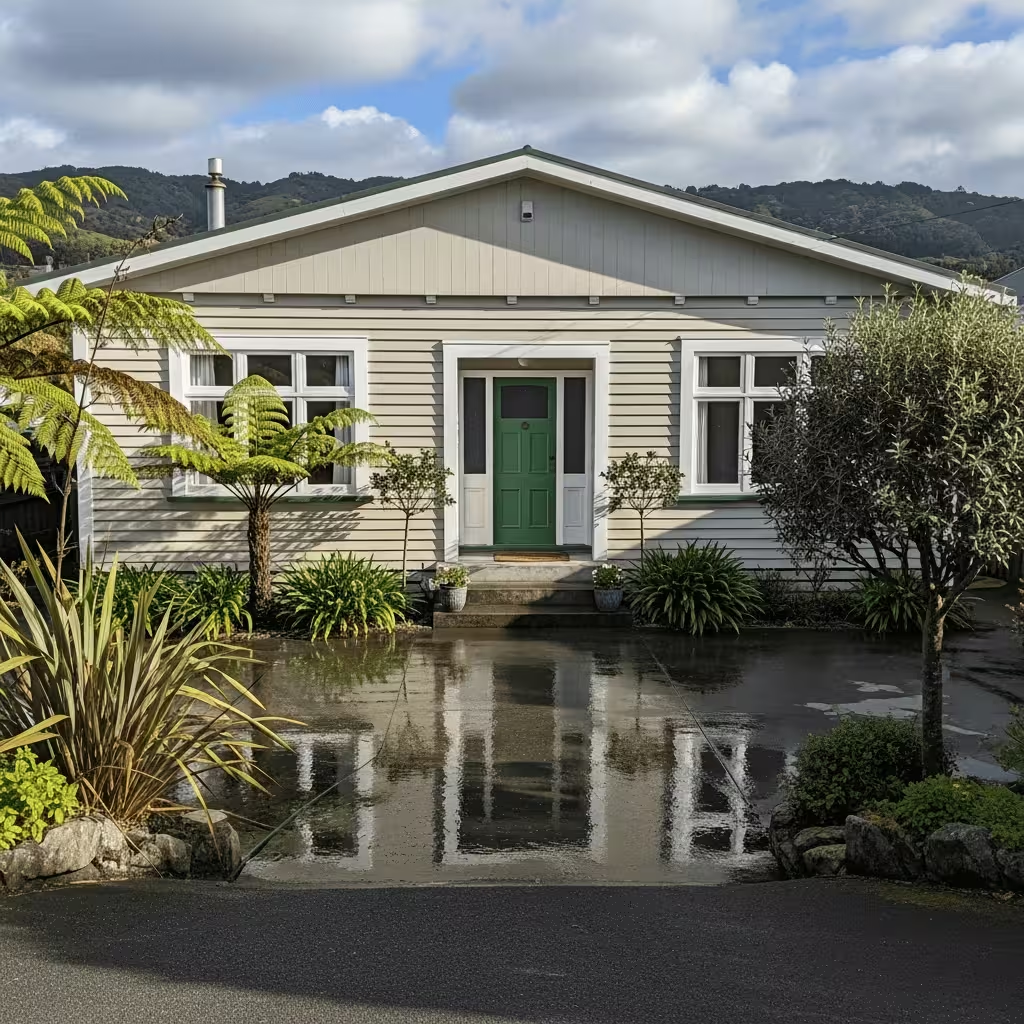
As concerns over water conservation and cost efficiency continue to grow, many exterior cleaning companies explore options beyond using the homeowner’s water supply. These alternatives not only alleviate pressure on residential water systems but also present compelling solutions in areas with limited or expensive water resources.
Self-Contained Water Systems
Self-contained water systems are among the most advanced solutions, allowing companies to operate independently of the homeowner’s supply. These systems typically incorporate a water tank affixed to the cleaning company’s vehicle, often with capacities ranging from 500 to 1,500 litres. They provide a consistent water source essential for operations in remote or environmentally sensitive areas, thus reducing reliance on municipal or rural water resources while offering flexibility and predictability in service execution.
Water Recycling Technologies
Water recycling technologies represent another innovative approach, enabling companies to capture and reuse water on-site. This method involves sophisticated filtration systems capable of purifying used water to nearly its original quality. Such technologies are gaining traction due to their ecological benefits and potential to significantly cut down on total water usage. In regions with strict water usage caps or penalties, introducing water recycling practices can make a substantial difference in compliance and cost efficiency, aligning with sustainable service delivery models.
Collaboration with Local Providers
Partnering with local water providers can be an effective strategy for exterior cleaning companies, particularly in urban environments like Auckland. By establishing agreements with local businesses or water utilities, cleaning companies can gain access to alternative water supplies at competitive rates. This collaboration not only supports local economies but also ensures companies maintain a steady and regulated water supply, facilitating smoother operation during peak demand periods.
In conclusion, exploring these alternatives offers exterior cleaning companies numerous benefits, including enhanced operational independence and alignment with sustainable practices. As Suds Wash Co navigates the evolving landscape of water usage in Auckland, leveraging these strategies can be pivotal. As we transition to Section 4, let us consider how these innovative solutions form a part of Suds Wash Co’s unique value proposition.
Why Choose Suds Wash Co for Your Exterior Cleaning Needs
When it comes to maintaining the pristine appearance of your home’s exterior, Suds Wash Co is the trusted leader in Auckland, New Zealand. As a 100% Kiwi-owned company, we specialise in eco-friendly, professional exterior cleaning services that safeguard your property while enhancing curb appeal. We adhere to our core values of integrity, reliability, and outstanding customer care, ensuring that every service we offer is attuned to your needs and expectations.
Our reputation for service reliability and professionalism is supported by numerous client testimonials and repeat business from satisfied homeowners. Suds Wash Co is not just about cleaning; it’s about creating lasting partnerships with our clients and being the trusted name in exterior cleaning across Auckland.
As we conclude our discussion on why Suds Wash Co is the top choice for your exterior cleaning needs, our next section will answer the most frequently asked questions about exterior cleaning services. This is aimed at providing you with clear insights and addressing any further queries you may have about these services.
Frequently Asked Questions
Do exterior cleaning companies use your water?
Yes, most exterior cleaning companies in Auckland typically use the homeowner’s water supply for operations such as water blasting and pressure washing. These practices are standard due to their cost-effectiveness and efficiency. Customers are usually informed beforehand about the use of their water supply.
Why do cleaning companies prefer using homeowners’ water?
Cleaning companies find utilising the homeowner’s water supply to be more practical and economical. It reduces transportation costs and ensures a consistent water source. Home systems often provide the necessary pressure for effective cleaning without the need for extra equipment.
Are there environmental impacts of using homeowner’s water?
The environmental impact largely depends on water quantity and local resource management. While using homeowner’s water reduces the need for transporting water, large-scale use can deplete local supplies if not managed sustainably. Companies are increasingly aware of these impacts and often strive to use water responsibly.
What are the options for rural homeowners with tank water?
For rural homeowners relying on tank water, companies may need to adjust their procedures to ensure water conservation. Some use tanks selectively, while others might offer alternative water sources or recycling technologies to minimise tank depletion during cleaning services.
Is there a water volume limit these companies typically use?
There isn’t a set industry standard for water volume usage, as needs vary depending on the property’s size and the cleaning scope. Companies usually work with customers to determine a suitable amount that balances effectiveness and conservation.
How do companies manage water use during restrictions?
During water restrictions, cleaning companies often implement various strategies like scheduling adjustments and use of efficient water-conscious technologies. Some may reduce their service scope or employ methods that use less water while still ensuring effective cleaning.
Can homeowners refuse to use their water?
Yes, homeowners can choose not to use their water supply. In such cases, some companies offer alternatives, such as bringing their own water sources or utilising more innovative, water-saving technologies.
Do companies need access to garden hoses?
Access to garden hoses is typically necessary for connecting to the water supply. If hoses are unavailable, companies often have alternatives or may suggest arrangements to ensure the cleaning process proceeds smoothly.
Key Insights
Exterior cleaning companies in Auckland, New Zealand, primarily use their own water supply or portable systems for water blasting and pressure washing services, rather than relying on the homeowner’s water. This practice is common for house exteriors, driveways, roofs, and commercial buildings, where high-pressure water blasting effectively removes grime, mold, and algae without needing client water access[1][2].
Trends show a shift toward eco-friendly methods like soft washing with low-pressure biodegradable solutions and pure water systems, reducing overall water usage and environmental impact. In Auckland, services are in high demand, with recommended cleaning every 12-24 months to prevent damage, and costs ranging from $250-$500 for house exteriors[1][2].