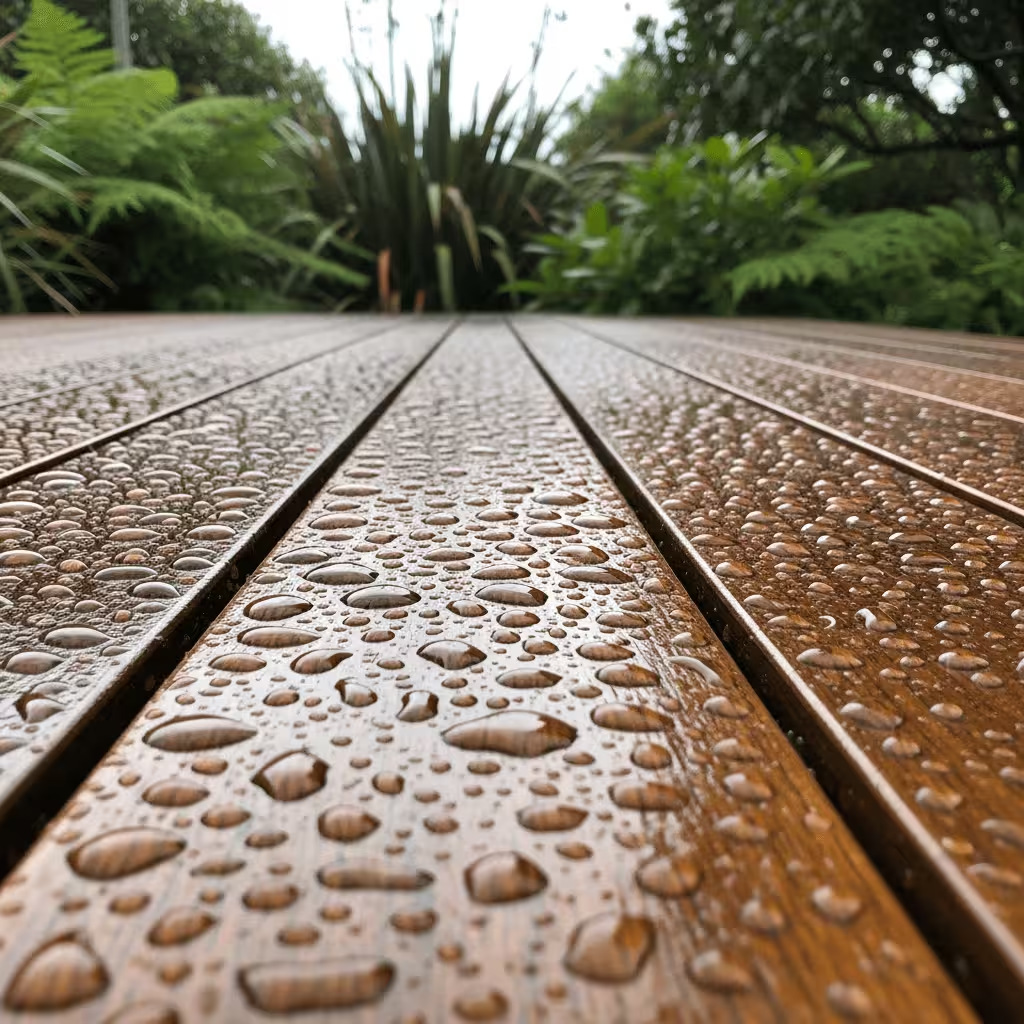
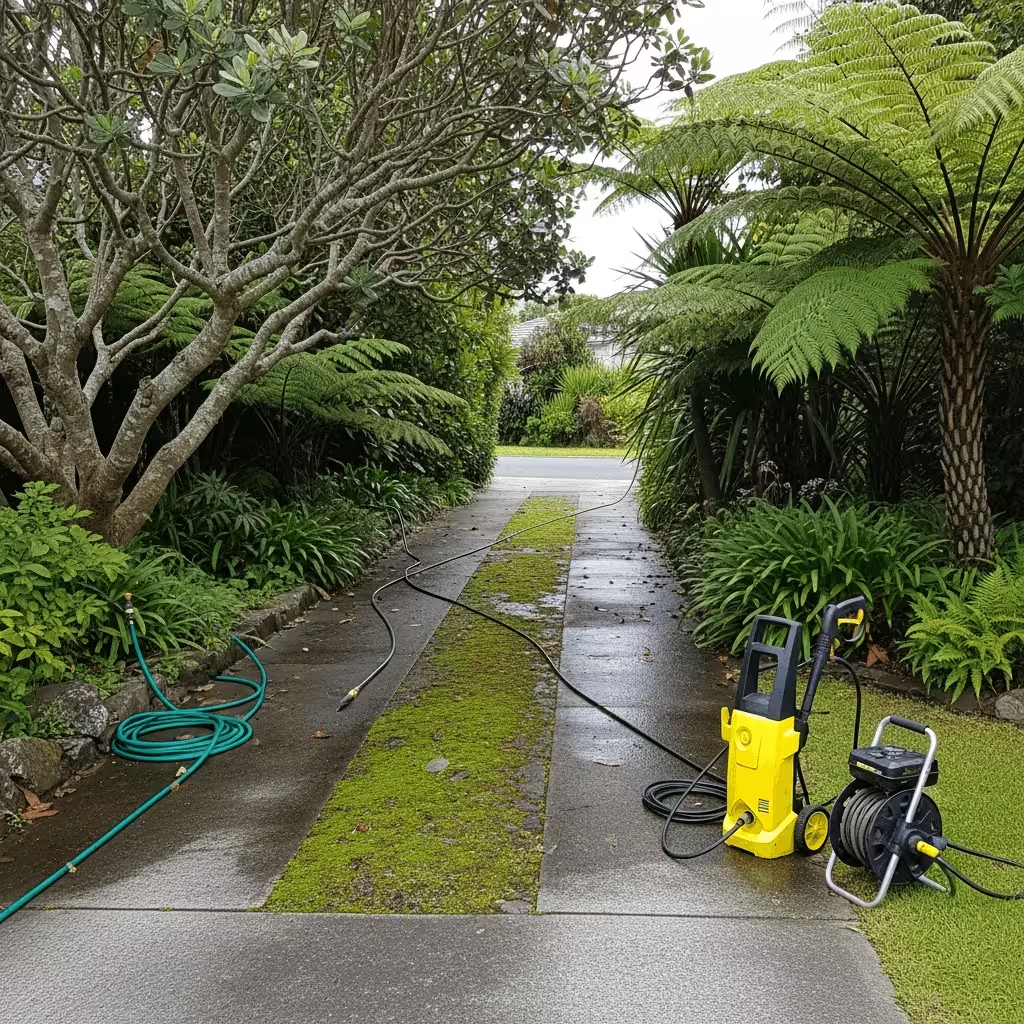
The difference between power washing and pressure washing largely hinges on water temperature, with power washing employing heated water to tackle tough grime, while pressure washing relies on high-pressure unheated water, making it suitable for general cleaning.
- Introduction
- Material Considerations for Exterior Cleaning
- Environmental Factors in Choosing the Right Method
- Why Choose Suds Wash Co for Power Washing vs Pressure Washing
- Frequently Asked Questions
- What is the main difference between power washing and pressure washing?
- Which method is suitable for cleaning roofs in Auckland?
- Can power washing be used on all types of surfaces?
- Is pressure washing environmentally friendly?
- How often should exterior surfaces be power or pressure washed?
- Do I need professional services for power washing?
- What precautions should be taken when using power washing equipment?
- Is there a specific season best for power or pressure washing in Auckland?
The debate of power washing vs pressure washing often centres on understanding the subtle yet significant differences in their application and effectiveness. Power washing, using high-temperature water, is particularly efficient in removing greasy stains, stubborn lichen, and thick moss from surfaces—a process especially relevant for Auckland’s residential areas, such as the leafy suburbs of Pukekohe and Waiuku, where these issues are prevalent. On the other hand, pressure washing, employing high-pressure unheated water, excels in routine cleaning tasks, managing dirt and lighter grime common in regions like West Auckland and the vibrant heart of Auckland Central.
Water Temperature: The Key Differentiator
The choice between power washing and pressure washing fundamentally involves the role of water temperature. In the realm of exterior cleaning, the heated water used in power washing serves as a catalyst in breaking down stubborn contaminants, effectively cutting through oil stains on driveways or accumulated grime on weatherboard and brick exteriors found in heritage areas like Auckland’s North Shore. Conversely, the pressure washing approach tends to favour everyday maintenance chores, where its unheated water stream provides just enough force to cleanse without risking damage to more delicate surfaces such as painted Colorsteel and wood decking.
Auckland’s Climate and Its Impact
Auckland experiences a relatively mild, humid climate, which plays a pivotal role in the decision-making process for exterior cleaning methods. The frequent showers and warm temperatures can quickly lead to the growth of mold and algae, necessitating regular and efficient cleaning practices. Power washing’s ability to use hot water makes it incredibly effective in these conditions, offering a deeper clean by eliminating spores that thrive in moist environments. Meanwhile, pressure washing is often preferred for its eco-friendly practices, consuming less energy due to the absence of heated water, and thereby aligning with the sustainable ethos echoed by local services like Suds Wash Co.
Choosing between power washing vs pressure washing for your Auckland property requires an understanding of not only the cleaning power but also the environmental and material considerations unique to the region. In the next section, we will explore how these factors interact with common exterior materials and specific local needs to guide an informed choice for cleaner, more resilient surfaces.
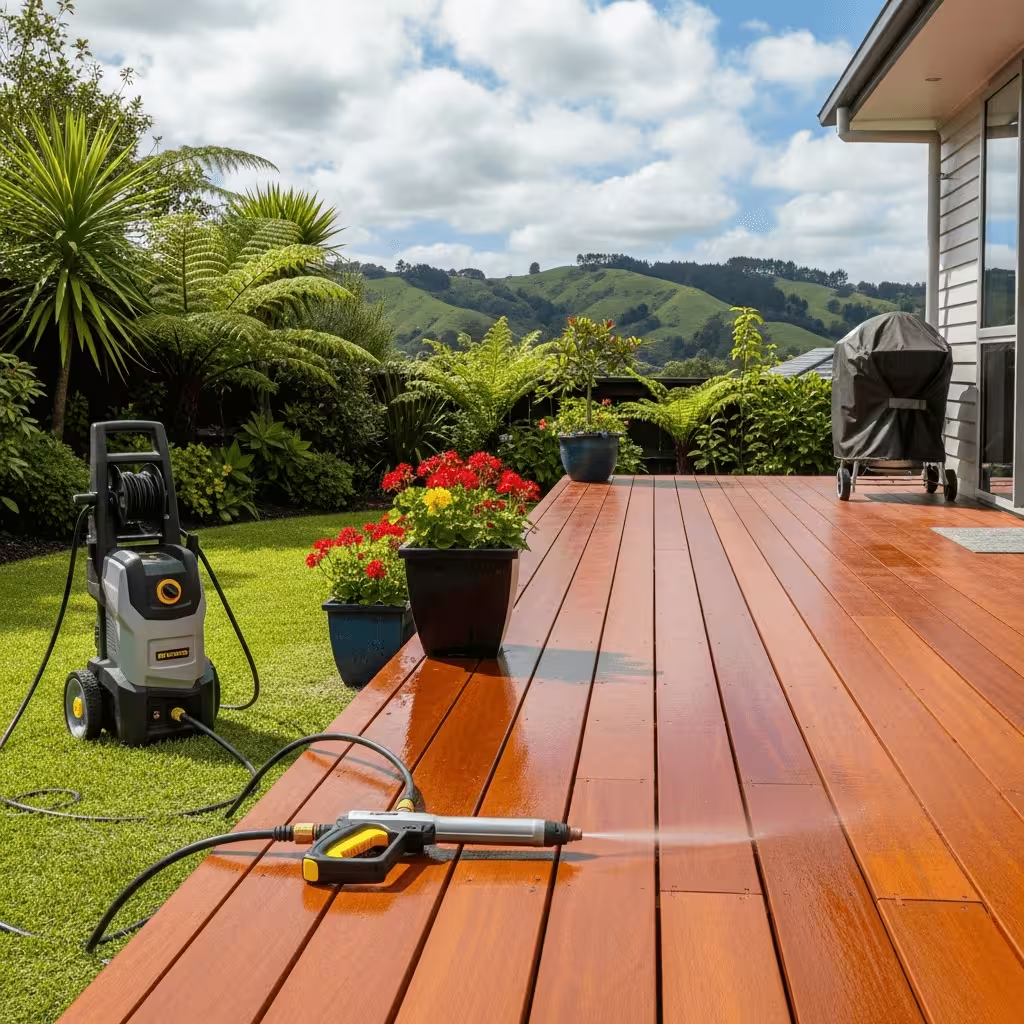
Material Considerations for Exterior Cleaning
When deciding between power washing and pressure washing for your Auckland home, understanding the response of various materials to these methods is crucial. The choice between these cleaning techniques often hinges on the heat sensitivity and durability of the surface in question. Given Auckland’s diverse residential architecture, from charming weatherboard villas to sturdy brick homes and modern Colorsteel exteriors, each material demands a tailored approach to ensure thorough cleaning without damaging the structure.
Weatherboard: Balancing Pressure and Care
Weatherboard, a popular choice in suburbs like Pukekohe and Waiuku, typically requires gentle handling. While power washing with hot water may seem ideal for breaking down accumulated grime, the high temperature can warp or damage weatherboard over time. Instead, pressure washing with cold water and moderate pressure settings can effectively remove dirt and mould without compromising the wood’s integrity. Moreover, using biodegradable cleaning agents can enhance results, ensuring the aesthetics of your home are maintained while considering environmental factors.
Brick and Colorsteel: Unique Challenges and Solutions
Brick exteriors, common in older Auckland Central homes, benefit from the high-pressure capabilities of both washing methods. However, power washing can be particularly effective in eliminating tough stains and embedded moss due to its hot water application. It’s essential to consider the brick’s condition and mortar age, as too much pressure can cause deterioration. For Colorsteel, prevalent in modern constructions across the North Shore, the focus should be on using a low-pressure setting independent of water temperature to avoid paint stripping. Mild detergents can help in preserving the finish while effectively cleaning the surface.
Environmental Factors in Choosing the Right Method
In Auckland’s unique environmental landscape, understanding climatic influences is crucial when selecting between power washing and pressure washing. The region’s weather patterns can significantly impact the accumulation of dirt, mould, and lichen, particularly in suburbs like Waiuku and North Shore. Prolonged periods of rain or high humidity often foster conditions conducive to mould growth, making it essential to choose a cleaning method that addresses these challenges effectively. Power washing with heated water can be particularly advantageous in such contexts as the heat helps to eliminate mildew and prevent its return.
Local Climate and It’s Impact
Auckland’s climate, known for its moderate rainfall and humidity, is a breeding ground for grime and fungal growth on buildings. West Auckland, known for its lush greenery, often sees homes plagued by lichen on exterior surfaces, which can be more effectively addressed through power washing. The heated water helps break down organic material more efficiently than the cold water of conventional pressure washing. In contrast, Auckland Central might not experience the same degree of growth on buildings, and standard pressure washing might suffice. Understanding these local climatic nuances is key to selecting the most appropriate cleaning method for your home, ensuring both efficacy and cost-effectiveness.
Common Pests and Compounds
Suburbs like Pukekohe and North Shore often grapple with unique environmental challenges such as the pervasive growth of black mould and moss. These compounds not only mar the visual appearance of homes but can also degrade surfaces if left untreated. Power washing offers a powerful solution with its ability to use heated water that penetrates and removes such growths more comprehensively. Meanwhile, areas such as Auckland’s urban centre, where the focus might be more on removing pollutants and dirt rather than organic infestations, might benefit more from pressure washing, which efficiently clears away urban grime without the need for extreme heat.
Economic and Sustainability Factors
Consideration of economic and sustainability aspects is essential when deciding on power washing or pressure washing in Auckland. On the one hand, power washing may have slightly higher upfront costs due to its energy requirements to heat the water. However, its effectiveness in thoroughly cleaning surfaces laden with organic matter may reduce the frequency of future cleaning, leading to long-term cost savings. On the sustainability front, utilising local water conservation practices and choosing biodegradable detergents can significantly mitigate the eco-footprint of cleaning efforts. Pressure washing, conversely, uses less energy and water, which can appeal to environmentally-conscious homeowners, especially those within Auckland Council’s eco-friendly suburbs.
By weighing these environmental, economic, and sustainability factors, homeowners across Auckland can make informed decisions tailored to their specific location and needs. This discernment not only prolongs the life of building materials but also aligns with community efforts toward sustainable living. As this guide suggests, recognising the alignment between local conditions and cleaning methods ensures functional and responsible upkeep.
Why Choose Suds Wash Co for Exterior Washing
When it comes to choosing between power washing and pressure washing services in Auckland, Suds Wash Co stands as a beacon of reliability, expertise, and eco-friendliness. Our extensive local knowledge, paired with a strong commitment to customer satisfaction, makes us the go-to choice for exterior cleaning projects throughout Auckland. Our team is dedicated to delivering exceptional results, whether it’s a home in Pukekohe requiring delicate handling of weatherboard or a commercial property in West Auckland facing stubborn lichen.
Experienced Local Experts
At Suds Wash Co, we pride ourselves on our deep understanding of Auckland’s unique environment and its impact on exterior surfaces. Our services are tailored to meet the specific needs of Auckland’s suburbs, from addressing mould accumulation common in Waiuku to managing the weathering effects in Auckland Central. Our team of professional cleaners is trained to adjust techniques, using either power or pressure washing, depending on the material and location-specific challenges, ensuring every project is handled efficiently and effectively. This local expertise allows us to deliver results that are not only visually appealing but long-lasting, offering you peace of mind in preserving your property’s curb appeal and structural integrity.
What Sets Us Apart
Suds Wash Co is more than just an exterior cleaning service; we are a 100% Kiwi-owned company that values integrity, reliability, and safety. Our eco-friendly cleaning solutions are perfect for those who are conscious of their environmental footprint. One of our key differentiators is our customer-centric approach, which includes transparent pricing and flexible scheduling to accommodate your needs. Clients across North Shore and Auckland Central trust us for our punctuality and attention to detail, ensuring every surface is treated with the utmost care.
We also provide an expansive range of services beyond our renowned power and pressure washing. Whether it’s roof treatments or gutter cleanings, our holistic approach towards exterior care ensures comprehensive cleaning solutions that meet your every need.
If you’re searching for expert cleaning solutions, our specialist exterior cleaning services in Auckland are designed to exceed your expectations. Our professionalism and dedication make us the premier choice for maintaining the value and aesthetics of your property.
With a strong track record and countless satisfied clients, Suds Wash Co is equipped to handle your power versus pressure washing needs with unparalleled expertise. Our next section will delve into Frequently Asked Questions to address common queries regarding power versus pressure washing, ensuring you make informed decisions.
Frequently Asked Questions
What is the main difference between power washing and pressure washing?
The primary distinction lies in the use of water temperature. Power washing utilises heated water, which is effective in cutting through tough grime and oils. In contrast, pressure washing uses unheated water but at a high pressure, making it suitable for general outdoor cleaning tasks.
Which method is suitable for cleaning roofs in Auckland?
For roofs, especially those covered in lichen and moss, power washing may be more effective due to its ability to remove stubborn growths. However, ensure that the water pressure is adjusted to avoid damage to roofing materials, such as Colorsteel.
Can power washing be used on all types of surfaces?
While power washing is very effective on hard surfaces like concrete and stone, it may not be suitable for softer materials like weatherboard or fine timber as it could cause damage. Always assess the material before deciding on the method.
Is pressure washing environmentally friendly?
Pressure washing can be environmentally friendly if eco-friendly detergents are used and wastewater is properly managed. It is essential to follow best practices to minimise environmental impact, especially near sensitive areas like the Waitematā Harbour.
How often should exterior surfaces be power or pressure washed?
The frequency depends on the environmental conditions and material. In Auckland, annual washing of surfaces like driveways and decks is generally sufficient, though areas prone to mould growth may require more frequent cleaning.
Do I need professional services for power washing?
While DIY power washing is possible, hiring professionals like Suds Wash Co can ensure safety, efficiency, and that the right equipment and techniques are used, especially on delicate or large surfaces.
What precautions should be taken when using power washing equipment?
Always use safety goggles and gloves to protect yourself from the high-pressure water. Ensure you are familiar with the equipment, adjusting the pressure settings accordingly to avoid damage to surfaces.
Is there a specific season best for power or pressure washing in Auckland?
Spring and early summer are ideal times for power or pressure washing in Auckland. This allows removal of winter deposits and prepares outdoor spaces for warmer weather activities.
Key Insights
Power washing and pressure washing are frequently confused in Auckland, but the main distinction is that power washing uses heated water, making it ideal for removing stubborn contaminants like grease, oils, moss, and mildew, while pressure washing uses unheated water and is commonly sufficient for routine domestic cleaning. Power washing tends to be better for large, heavily soiled commercial or exterior surfaces, whereas pressure washing is affordable, DIY-friendly, and effective for everyday household tasks on durable materials.
Recent industry trends in Auckland show a preference for pressure washing among homeowners due to its cost-efficiency and versatility for typical property maintenance, while power washing is reserved for tougher jobs requiring heat and higher pressure. The terms are often used interchangeably, which adds to local consumer confusion, but choosing the right technique depends on surface type and the nature of grime to be removed[1][2].